Oral antifungal drugs are the first choice of medication as they work quickly than medicated nail creams or polishes. Taking anti fungal drugs for 6 to 12 weeks will help you get an infection-free nail.
If you wait too long to treat a nail fungal infection, various issues arise. Your infected nail may start to deform in shape and gradually separate from your nail bed. Unpleasant side effects include itching and soreness, which can make it difficult to wear shoes or move around.
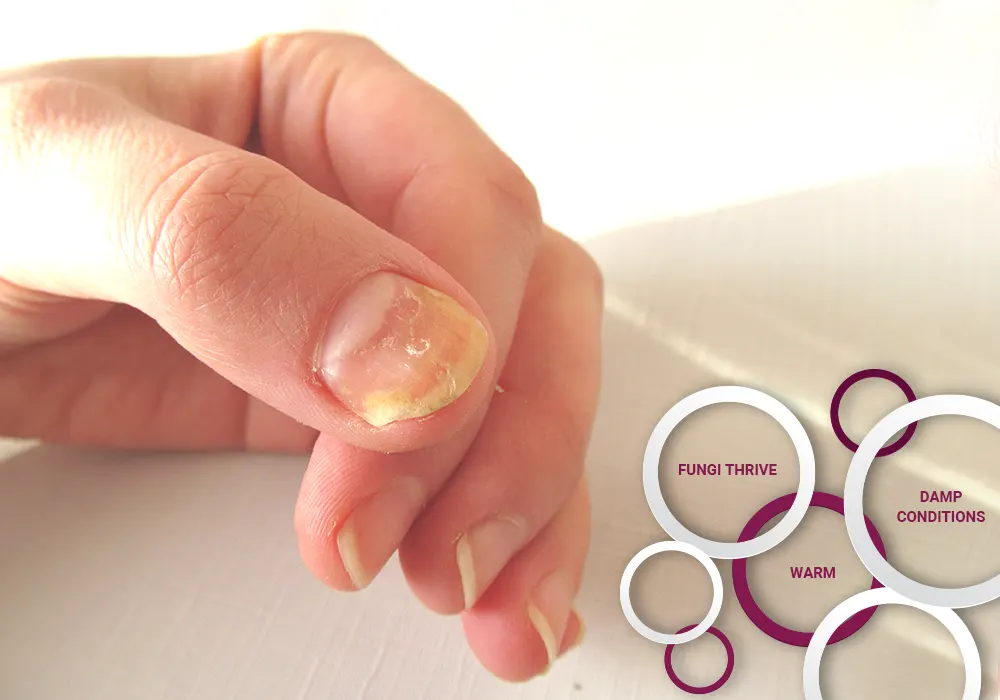
Fungi, which are tiny microorganisms that live on our skin and thrive in moist, dark and warm places cause nail fungal infection. You may contact the fungi from someone who has fungal nail infection through skin-to-skin contact. The chances of you getting fungal nail infection is more if you tend to wear shoes that cause your feet to get sweaty, or not keeping your feet clean and dry. Having a weakened immune system can also lead to fungal infections as your chances of contacting it becomes higher.
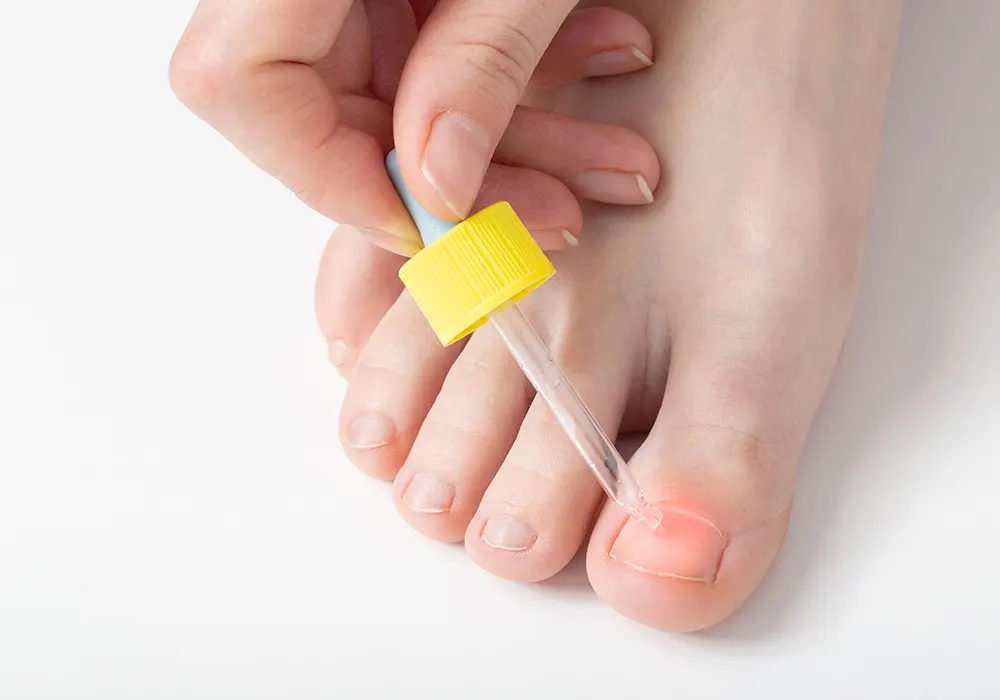
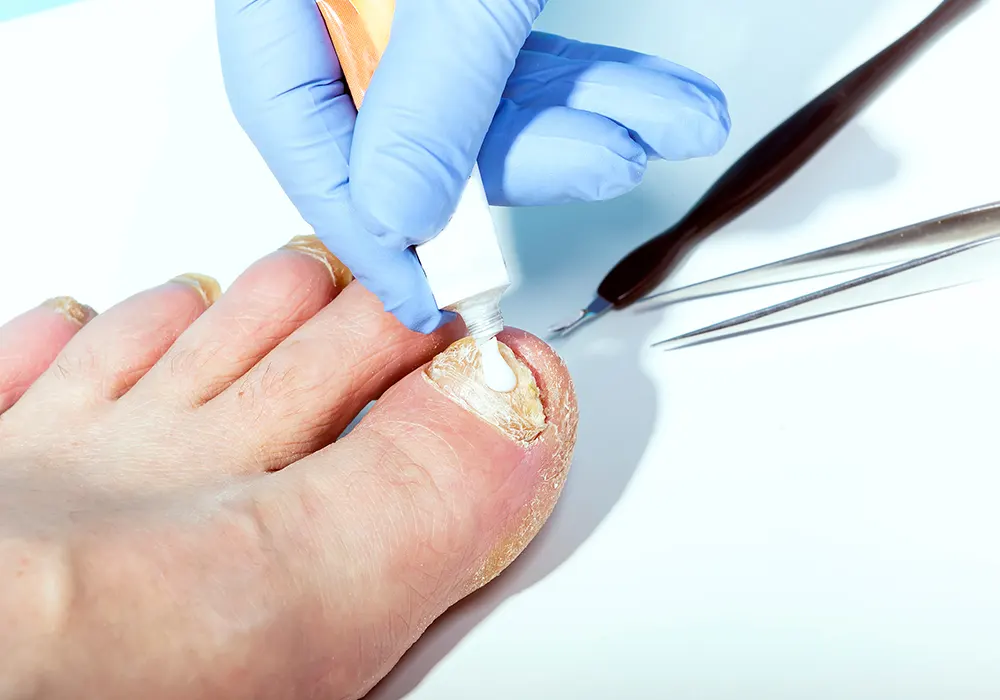
Yes, it is possible to cure nail fungus infections. The best treatment option is Oral antifungal drugs. Some other treatment methods include topical antifungal therapies,
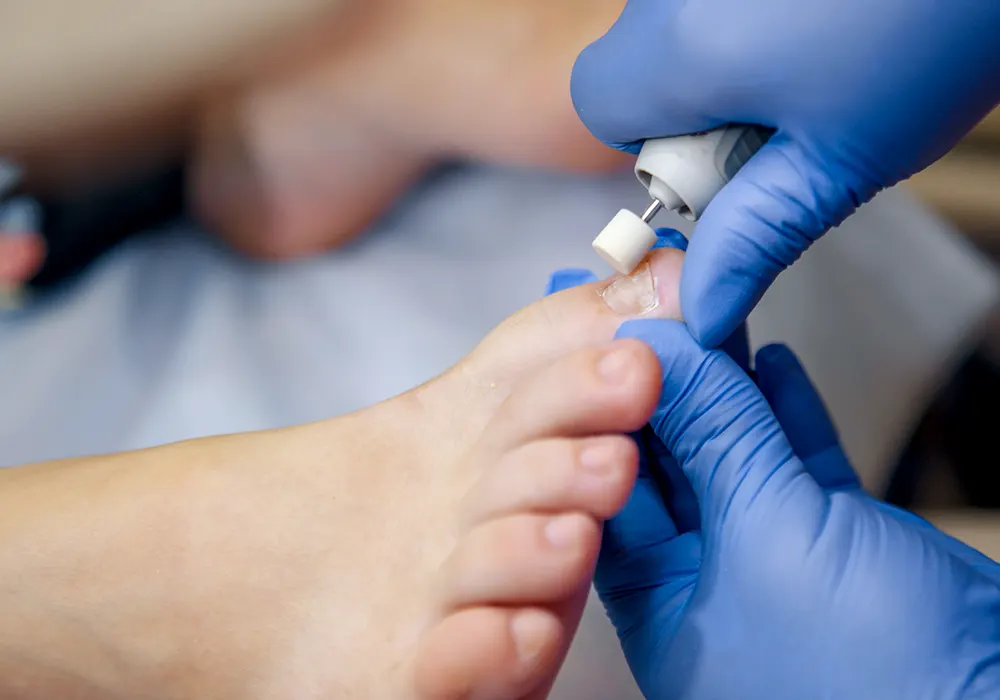
medicated nail polish and medicated creams. In case of severe infections, skin doctors usually recommend removing the nail completely, and it might take a year or so for the infection to subside.
Dermatologists usually prescribe antifungal medicated creams or polishes containing Ciclopirox, Tavaborole or Amorolfine which helps to kill the fungus, and heals the tissue. Mild burning sensation or stinging are the only side effects of these medicated creams.